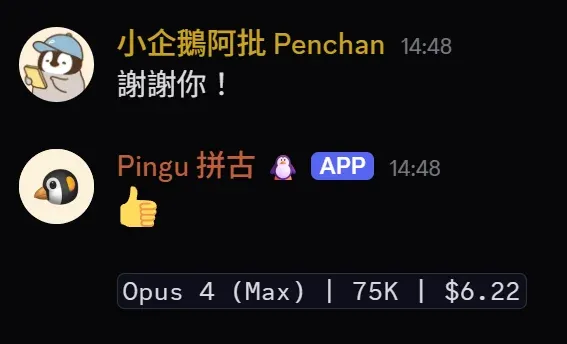
I recently read an article about whether we should be polite to AI. A few communication points stood out:
- Saying please and thank you to AI does not affect accuracy
- Asking AI to roleplay as an expert can make closed-ended questions less accurate
- “Giving examples” is still one of the strongest techniques today
- Letting AI ask questions step by step to gather information is better than dumping the whole request at once
- Stay neutral and avoid hinting at your own preference, or the AI will mostly mirror it back
After 2025, reasoning models became mainstream, and many old prompt tricks stopped working well. The real focus now is being able to express needs in a structured way.
One part is worth remembering: the real reason to be polite to AI is not about the AI itself. It is about not training yourself into becoming someone who barks orders at everything. Of course, some people are also afraid AI might one day have memory and settle accounts later.
In short: spend less time studying phrasing tricks, and more time practicing how to explain what you need clearly.
Further Reading
Penchan’s Take
I talk to Claude Code, Codex, Perplexity, and a stack of other models every day. Whether I add polite phrases or not usually does not change the result much. The bigger difference is whether my own tone gets worse over time. Practicing structured requests has a much higher return than studying “how to make AI obey.” That rule has held from the early prompt-engineering boom all the way into today’s reasoning-model era.