Penchan note | An AI Agent can work for you, and it can leak your secrets too 😮
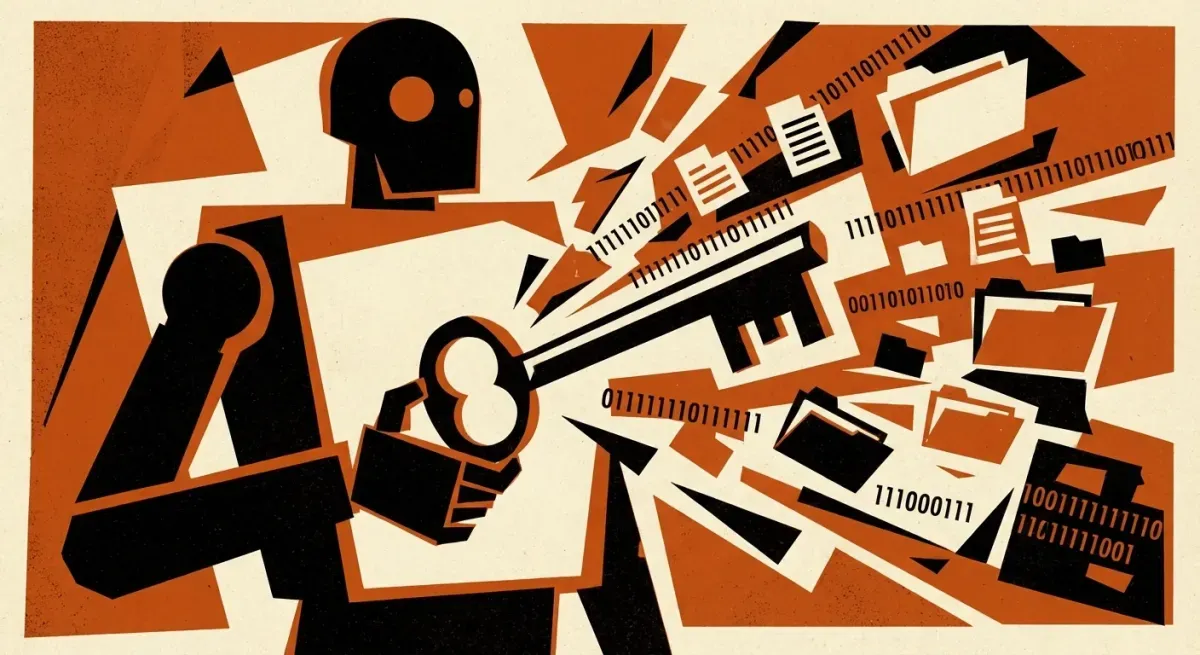
Something happened recently: someone asked an AI agent to automatically create a GitHub Issue. The AI wrote text containing a “magic spell,” the computer interpreted it as a command, and it printed every password and key stored in the system straight onto a public page.
Telegram tokens, API keys, all exposed on the internet.
The AI triggered it “by accident,” with no hacker involved. It was only writing text, but that text happened to look like a command to the computer.
This is the new risk of the AI agent era: when you give it permission to do work, it can touch your system. If AI output is executed before being filtered, accidents can happen.
More capability means more attack surface. AI agents are useful, but check their permission scope carefully. Do not let an assistant become a leaker 👀