
When people hear OpenAI, most only think of ChatGPT. But this company’s product line is actually one of the broadest in the entire AI industry: it does chat, coding, image generation, and a developer platform, and in recent years it has extended all the way into open-weight models, in-house chips, and even hardware devices.
This piece walks through OpenAI’s full product map, so you can understand what each piece is responsible for and how they divide up the work. If you want to get to know the company’s overall shape first, you can start with What kind of company is OpenAI.
One line to remember its product strategy by: from software to chips, it wants to do everything itself.
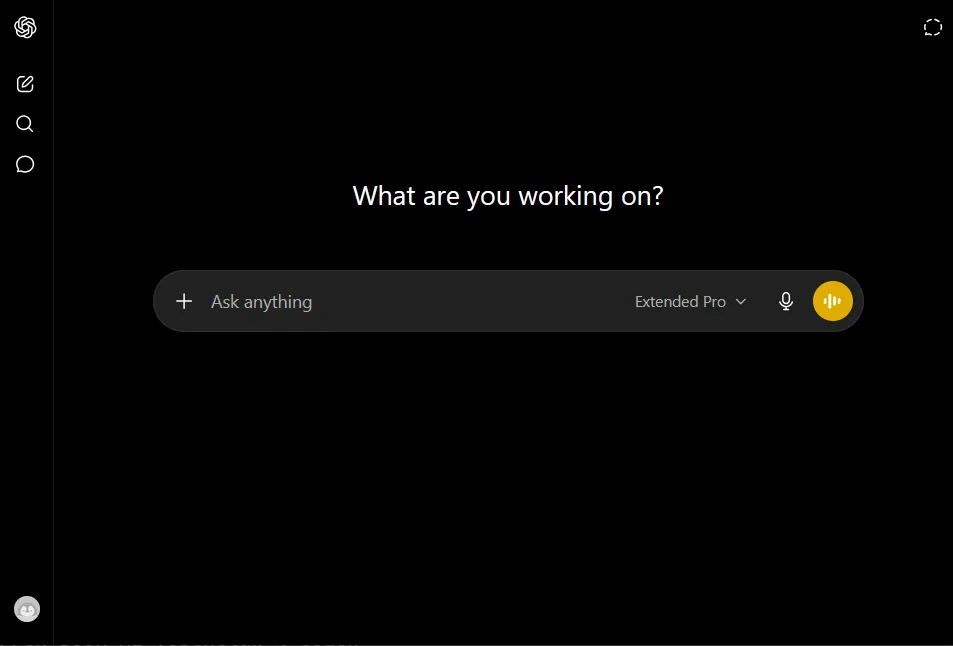
ChatGPT: The Super-Gateway on the Consumer Side
ChatGPT is OpenAI’s best-known product, used by nearly 900 million people each week, and its biggest asset. Its subscriptions come in several tiers: a free version, the paid personal Plus plan, a high-end plan for heavy users, and an enterprise version for companies.
Notably, of these enormous numbers of users, the vast majority are free users. The real revenue engine comes from enterprise subscriptions and developer spending, and OpenAI has recently begun testing ads on the free tier, hoping to turn its huge free traffic into revenue too.
Codex: Handing Coding Over to an AI Agent
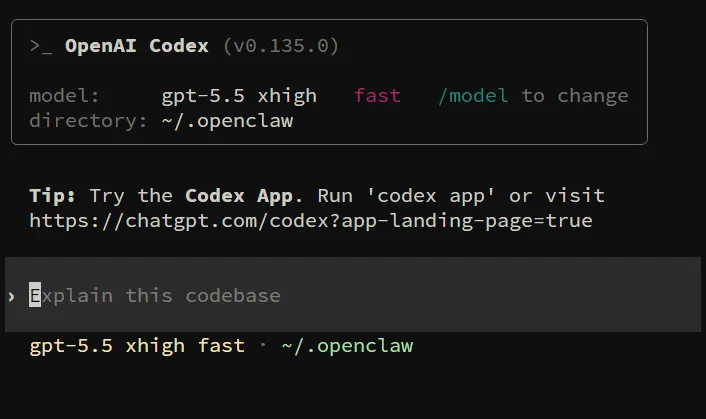
Codex is OpenAI’s flagship tool for automated coding. It started out as a code-completion model and was later repositioned as an “agentic coding agent,” in other words an AI engineering agent that takes action on its own.
Unlike the back-and-forth Q&A in ChatGPT, Codex can take on multiple software development tasks asynchronously and in parallel in the cloud, continuously calling tools on its own to write features, hunt bugs, and submit changes, without much need for someone to watch over it. For developers, it is more like an AI coworker than a chatbot. Codex has already accumulated millions of weekly active developers, and it is OpenAI’s main wedge into the enterprise engineering market.
OpenAI API: Plumbing for Developers
If ChatGPT is the storefront for ordinary people, the OpenAI API is the plumbing that developers tap into. Millions of applications worldwide call OpenAI’s models through it, and the volume of text it processes per minute is astronomical.
OpenAI also keeps upgrading the API from “simply calling a model” into “a platform for building AI agents”: it has released agent development kits that make it easy to wire in tools, and interfaces that support real-time voice conversation, letting developers build applications that use tools on their own and can listen and speak.
GPT Image: Image Generation
Images are handled by the GPT Image series, and on the consumer side that’s the image-generation feature inside ChatGPT. Compared with the earlier DALL-E, the biggest improvements in the new generation are accurate text rendering (it even handles Chinese, Japanese, and Korean characters well), the ability to generate multiple consistent images at once, and the ability to take in several reference images to lock in style and brand. It has already replaced the old DALL-E to become the platform’s default image-generation engine.

gpt-oss: First Open Weights in Six Years
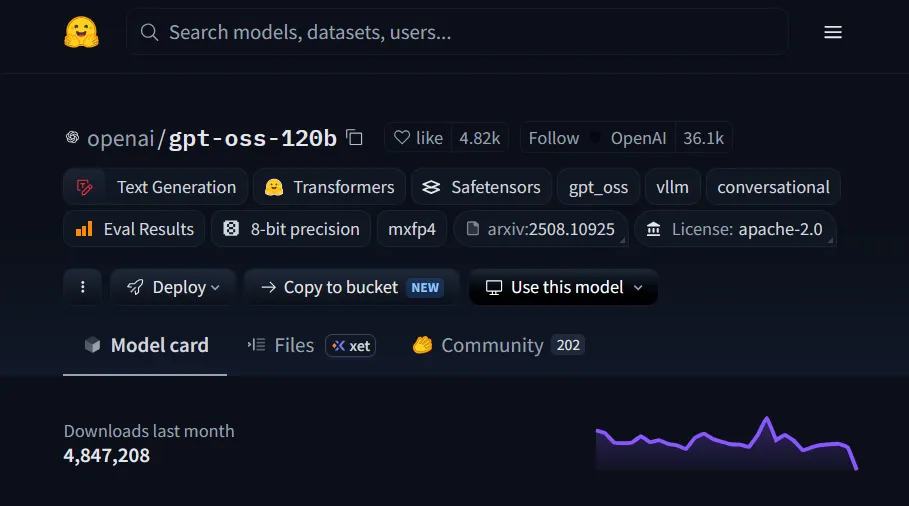
In 2025, OpenAI did something the outside world didn’t see coming: for the first time, it released freely downloadable open-weight models called gpt-oss, under a relatively permissive Apache 2.0 license, letting companies use them commercially for free and deploy them on their own.
For a company named “OpenAI” that had spent years on a closed-source path, this was a clear pivot. The driving force behind it is generally thought to be open models like Meta, DeepSeek, and Mistral taking away the “self-hosting” market, leaving OpenAI needing to use open weights to pull this group of developers back into its own ecosystem. Worth noting: open weights still differ from “open source,” where all training details are made public, and gpt-oss is not offered through the official API or ChatGPT.
In-House Chips: Trying to Break Free from Reliance on Nvidia
Almost all of OpenAI’s compute is built on Nvidia’s GPUs, which are costly and in tight supply. To reduce that reliance over the long term, it is working with chip giant Broadcom to develop chips designed specifically for AI inference, fabricated by TSMC and expected to roll out gradually starting in the second half of 2026.
Some media outlets refer to the chip by codenames like “Titan,” but that is not an official name. It’s worth keeping in mind that building your own chips is a path that burns both money and time; the related capacity and financing arrangements still have variables, and whether mass production stays on schedule remains to be seen. For how the whole compute and supply chain works, see The AI hardware supply chain, end to end.
Hardware Ambitions: From Chips to Devices
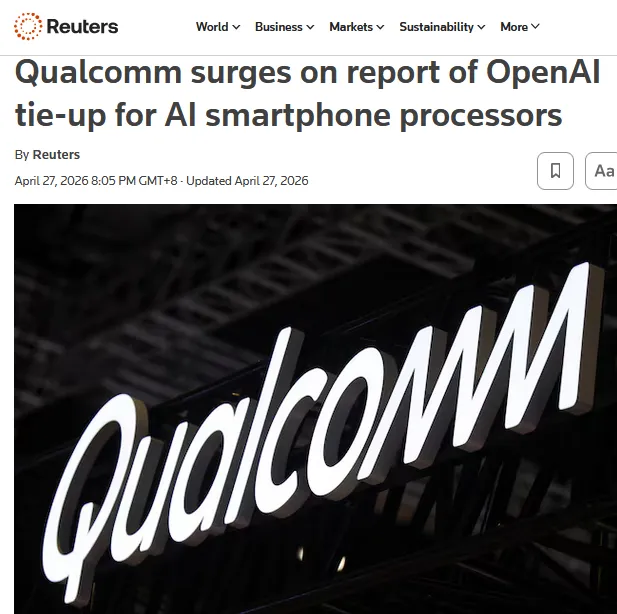
OpenAI’s reach has also extended into hardware. It acquired io, the device startup co-founded by former Apple design chief Jony Ive, which is widely read as an effort to build an AI-native consumer device. Reports also say it is developing AI phone chips, with rumored partners including Qualcomm and MediaTek.
That said, these hardware plans are mostly still at the stage of rumors and analyst leaks; the product form, specs, and launch timelines have not been officially announced, so take it all with a grain of salt as you read.
Penchan’s Take
Lay this map out and OpenAI’s character is clear: it wants to do everything itself, integrating from the top-layer chat interface all the way down through the developer platform, open-weight models, in-house chips, and even hardware devices. This “do it all yourself” vertical integration gives it scale and breadth that others don’t have.
The price is that both the spending and the risk scale up with it. Set against Anthropic, which deliberately focuses on enterprise and coding and won’t even touch images or hardware, the two have taken exactly opposite strategies. OpenAI is betting that “doing it all” can build the deepest moat, but every extra product line is one more cost to feed.